Long Live Lenny’s Nosh Bar

I landed in Eugene in the summer of 1972, when I was eight years old.

That year, I went to my first Renaissance Faire and saw the Grateful Dead perform on the same meadow that would eventually become the Oregon Country Fair grounds. I don’t remember much about the set list, but I recall the energy and running around shirtless, weaving my way through the crowd.

After that, I passed through town periodically with my dad and his girlfriend, staying in various communal houses and crash pads for days or weeks at a time before hitting the road again in our old bread truck. We were nomadic hippies. Eugene was just another stop.

It didn’t feel like home yet, but it reminded me of Berkeley, where I used to live.

Back then, Eggsnatchur Natural Foods was tucked inside the old Craftsman house at 675 E. 13th Avenue, next to Koobdooga Bookstore—“a good book” spelled backwards. The two buildings sat at either side of a funky little campus village: studio apartments, small businesses, and repurposed houses arranged around a central courtyard, like an accidental commune.

From 1972 to ’74, Greg Weed Comics ran out of the back of Koobdooga like a speakeasy for superhero nerds, until Darrell Grimes bought him out and added his own massive collection. I didn’t know Darrell yet, but when I returned two years later, his shop was the event horizon that pulled me back there.

When I finally settled in Eugene in the summer of ’76, the Eggsnatchur was gone, and Honey’s Café had taken its place. Just two weeks before I got back, Darrell had moved into one of the courtyard cottages and officially rebranded his shop as The Fantasy Shop. I spent countless hours there, cross-legged on the hardwood floor between the shelves, devouring issues of Spider-Man and The Fantastic Four. By 1977, I was living with my mom and sister. By ’78, Honey’s had closed, and Poppi’s Greek Taverna became the final restaurant to occupy the old house.

2.

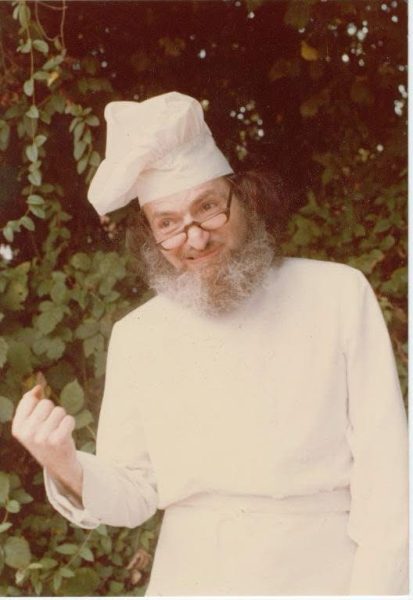
In the fall of 1979, Lenny Nathan opened the Nosh Bar in the cottage next to The Fantasy Shop. I recognized Lenny from the Saturday Market, where he sold cheesecake and coffee with his two daughters. He looked like a rabbi in a straw boater and he sounded just like Burgess Meredith as the Penguin on the Batman television series from the sixties.

Lenny was also quite the raconteur—which, honestly, made him my kind of guy.

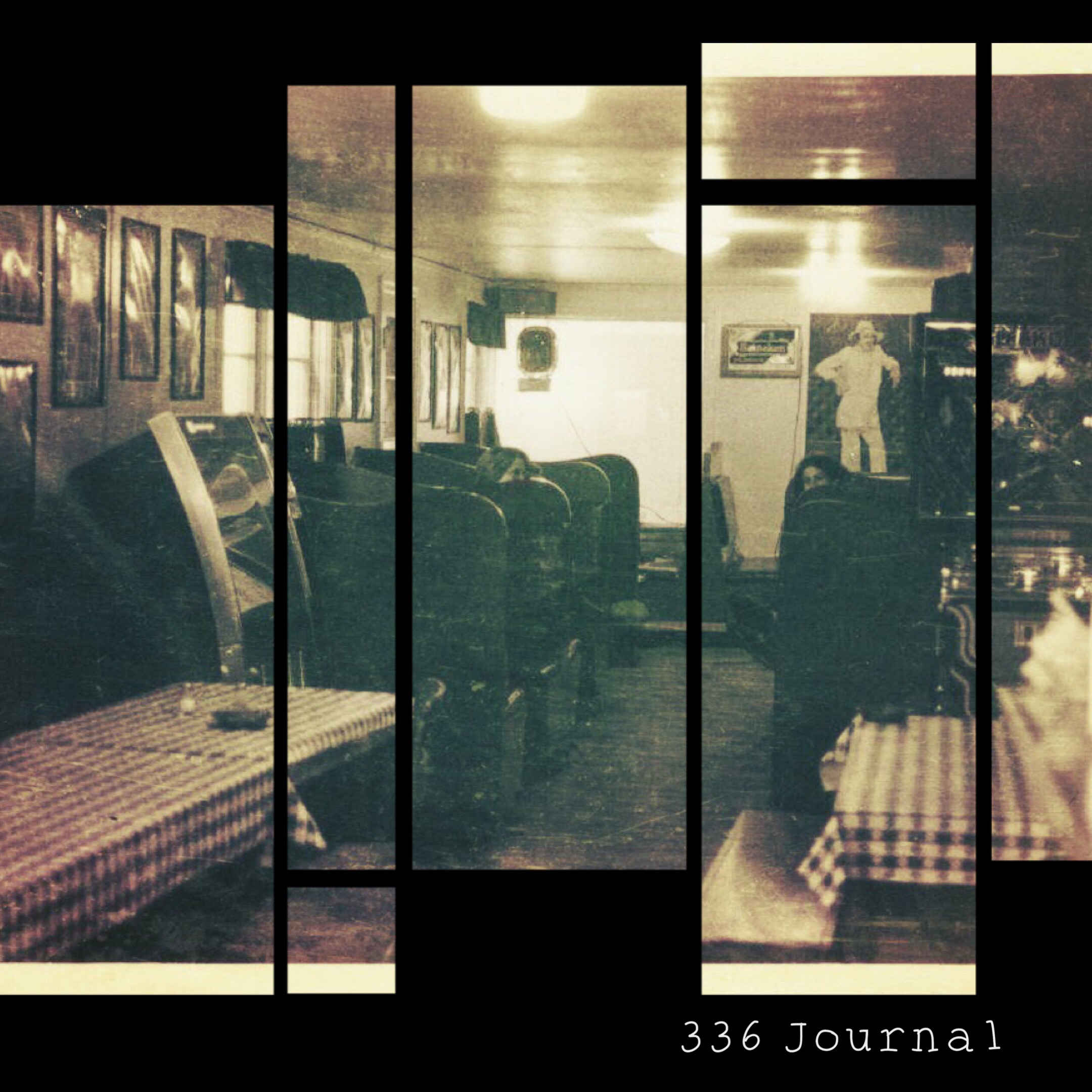
At the Nosh Bar, Len served matzoh ball soup, meatball sandwiches, and giant four-egg omelets well into the wee hours. There was a jukebox, a pinball machine, and some very interesting Eugene characters.

For me, it was a kind of bohemian Shangri-La.

Over the years, the courtyard became a favorite after-school hangout spot. I came to know some of the people who worked there—such as Madjym, Hershel, Jillian, Molly, Melody, and Lenny’s daughters, Katy and Annette. My friend Dawn, and a fellow thespian named Aaron, both from high school, worked there for a time. And of course, Uncle Ray drifted through with his shopping cart full of bottles and cans, often scoring chicken and hot chocolate from Poppi at the back door of the Taverna—as long as he wasn’t too drunk or ornery.

Even after Darrell moved The Fantasy Shop out of the courtyard and into the Smith Family Bookstore building I kept coming back.

By the early ’80s, I was living a few blocks away and working across the street at Prince Pückler’s, the best ice cream shop in town. Lenny’s had become my regular late night joint. It was where I lingered, heard all kinds of new music in the jukebox, and where I learned to be a better writer.

That whole 600 block of East 13th between Patterson and Hilyard wasn’t just two lifeless parking structures like it is today. It was a living, breathing ecosystem of oddballs and outcasts, artists and seekers; a village unto itself.

And that’s where I found my tribe.

Richard La Rosa (12-5-2025)
From Berkeley to Boot Camp

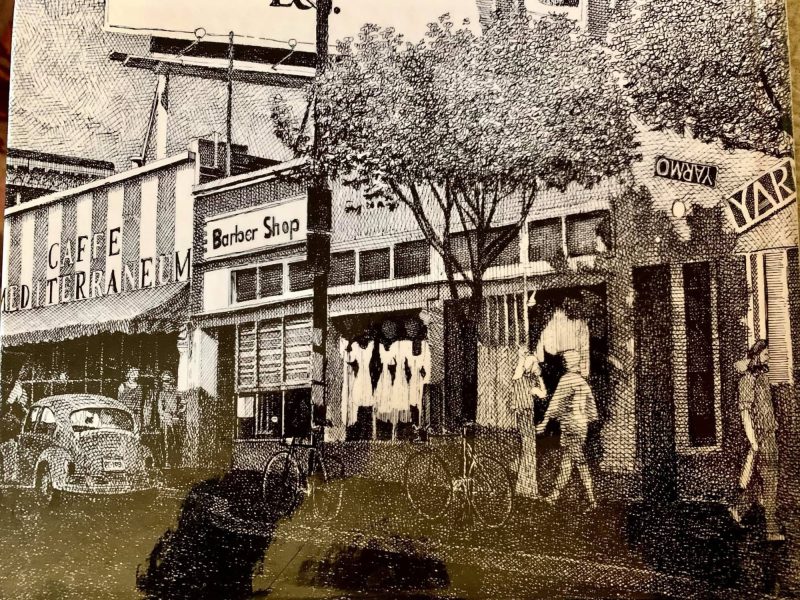
I’m in Eugene for a week after leaving my job at a Telegraph Avenue shop called the Yarmo Zone, wedged between Blondie’s Pizza and Sather Gate World Travel.

The Zone is a quirky Berkeley shop facing Caffé Mediterraneum that sells Betty Boop paraphernalia, pin-back buttons, silk skinny ties, and a medley of mod-to-punk ephemera.

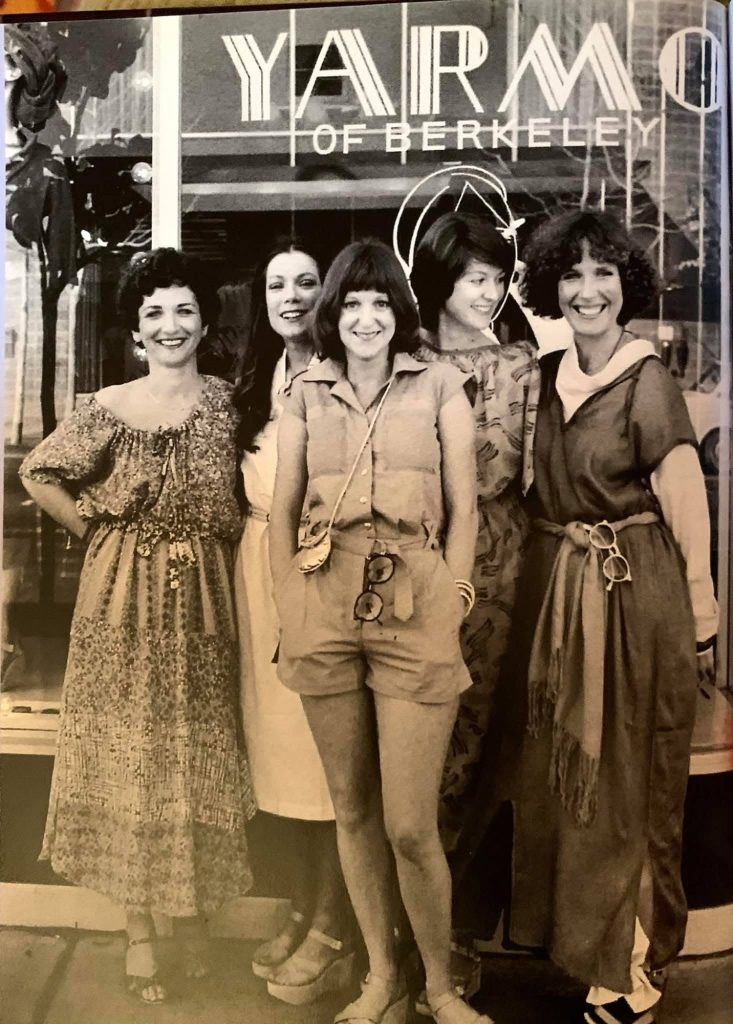
It’s an offshoot of Eva Yarmo’s boho clothing boutique across the Avenue, the one she opened in the mid-sixties when Telegraph was still a runway for miniskirts and the first wave of countercultural fashion.

Eva Yarmo (left) with her crew at Yarmo.

Everyone has an opinion about my plan to join the Air Force. My friends and family are shocked and appalled that I would enlist, but the logic of my decision makes sense to me. Lenny bluntly tells me I’m “just not the type for wearing the uniform,” and I get the heart-to-heart from Joyce’s husband, Lee, a Vietnam vet. We meet at the nosh bar and he’s painfully earnest as he tries to convince me that the military isn’t the place for an idealistic kid raised in the counterculture.

I lay it all out for Lee and tell him I want to learn the Russian language. I’ve been following the cultural shift in the Soviet Union, and I believe that with the rise of computers and the impossibility of controlling the flow of information, Russia can’t stay sealed off forever.

I insist that attending the Defense Language Institute is my ticket to becoming a diplomat someday. I’m sure the United Nations would more readily accept someone with military experience over a college drop-out, so enlisting seems the most direct path.

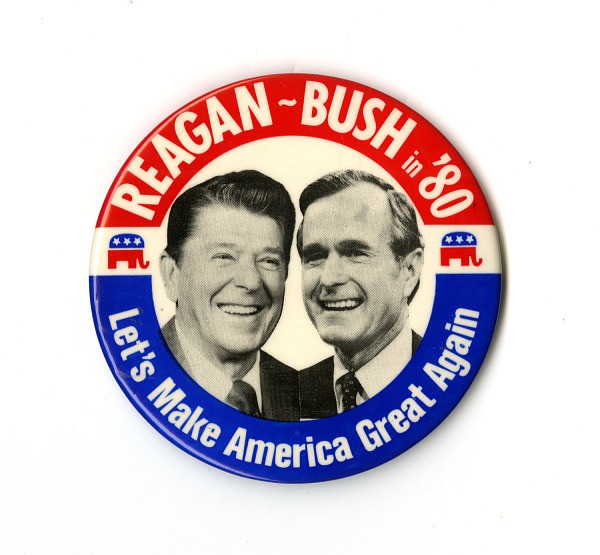
It’s chapter two of the Reagan-Bush era, and Ronnie Raygun is still calling Russia the evil empire. This sort of bullshit propaganda has got to change. And I want to be an integral part of that shift—to be on the front lines of making things better between our countries.

What I’m not telling everyone is that I’ve already enlisted, and I’ll be at boot camp next week.

Discharged

I’m at Lenny’s Nosh Bar on a late-summer afternoon and the University of Oregon campus hasn’t fully repopulated yet so the joint seems like a half-abandoned outpost.

I’m digging into a giant hot meatball sandwich with a Löwenbräu chaser and marinating in the same low-grade shame that’s been dogging me from San Antonio to San Francisco and all the way back to Eugene.

My triumphant return after being discharged from the Air Force did not come with the ticker-tape parade I was promised. Seems there’s no civic prize for an idealistic adult child of flower children who infiltrates a system in hopes of changing it.

Only an hour ago I was downtown, getting off a Greyhound and daydreaming of a hot shower to wash away the stench of cigarette smoke, cheap booze, and that undefinable aroma unique to cross-country buses.

Walking to the nosh bar, stripped down to my military issue pants and a tie-dyed tank top and a duffle bag on my shoulder, I probably looked like some weird hippie-Rambo-hybrid come home from the war.

I knock back the last swallow of beer, lean into the duffel bag wedged beside me, and close my eyes. A twelve-bar blues line spools from the jukebox. It’s Green Onions by Booker T. & the MGs, with its Hammond B3 organ pulsing in sync with my heartbeat.

A hometown welcome if there ever was one.

The bell over the door rings. I glance up. There’s Lenny Nathan, strolling into the Nosh Bar like he owns the place. He spots me, arches an eyebrow, and heads straight for the tap. A moment later he sets a fresh pint in front of me, unasked, which is quite unusual.

Then, with that magician-casual flair he perfected over decades, he pulls a joint from the pocket of his apron and drops it beside the glass.

“I told ya so,” Lenny says.

But there’s humor and understanding in his eyes.

I grin back just as Ella Fitzgerald starts singing Too Young for the Blues.

Richard La Rosa ~ 8/24/1985

Study the sentences, not the lifestyle.

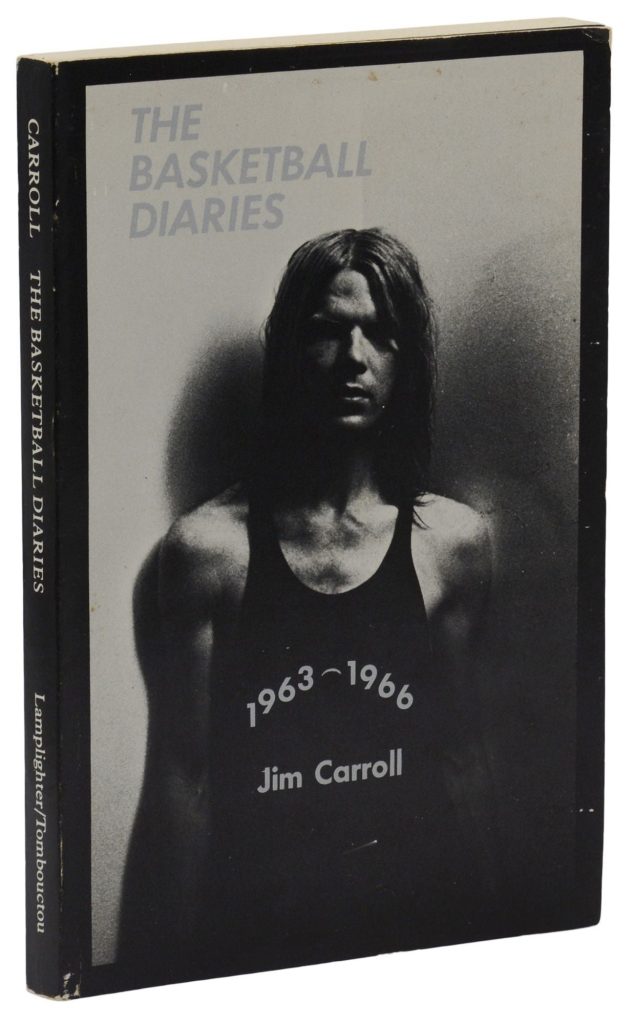
Lamont gives me a memoir called The Basketball Diaries, published only a year ago. It’s well-worn from being passed around many times and the back cover is filled with praise from impressive literary figures like William S. Burroughs, Jack Kerouac, Patti Smith, and Rolling Stone magazine.

Lamont points to Kerouac’s line: “At 13 years of age, Jim Carroll writes better prose than 89% of the novelists working today.”

He says the young novelist was a heroin addict, which turns me off right away.

Lita notices my expression.

She knows I’m not interested in the junkie-poet mystique, and assures me what matters isn’t the drugs but the clarity and detail of Carroll’s storytelling.

Study the sentences,” she says. “Not the lifestyle.”

He and Lita are encouraging me to seek out new and more contemporary writers to inspire me, rather than reaching back to the past.

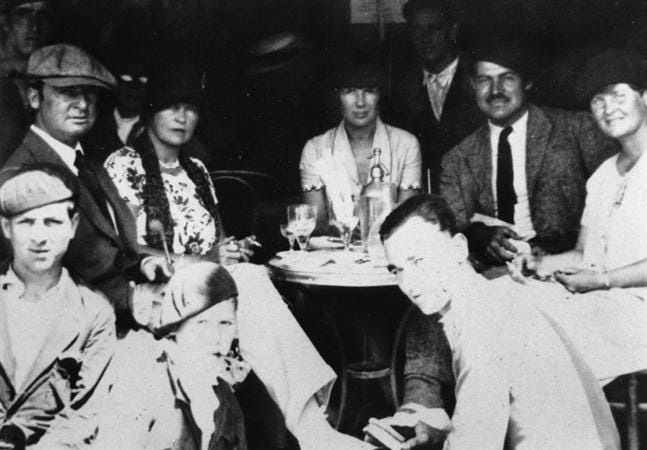
Then, Lamont says I should pick up a copy of A Moveable Feast, a sparse memoir written in 1964 which is set in the 1920s. He says that Hemingway’s memoir is a must-read, because it teaches a young writer what the practice is actually like: the discipline, and the stubborn belief that a sentence can always be made tighter.

Hemingway wrote like a man trying to sand the world down to its cleanest lines,” Lamont says.

Watching him hammer away at his craft in Paris cafés might push you to take your own writing seriously.”

It’s not the mythology that matters, it’s the grind. The way you keep showing up at the page.

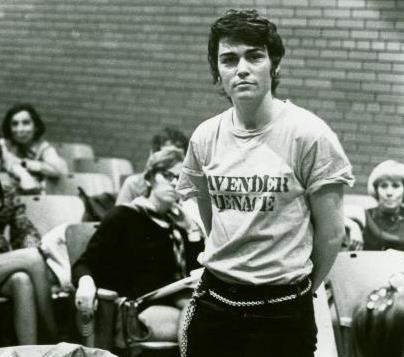
Then Lita pulls a book out of her bag called, Rubyfruit Jungle. “Forget about Tom Sawyer and Holden Caulfield,” she says. “Molly Bolt is the real rebel outlaw.”

Rita Mae Brown

I’m dubious I’ll be able to relate to a coming-of-age lesbian novel, but Lita says I need a woman writer’s perspective after reading so many male science-fiction authors.

I have to agree.

With the exception of John Varley, most of them write women as flat, one-dimensional figures instead of real people.

Richard La Rosa ~ (8/14/1979)

Eugene, Oregon (1984)

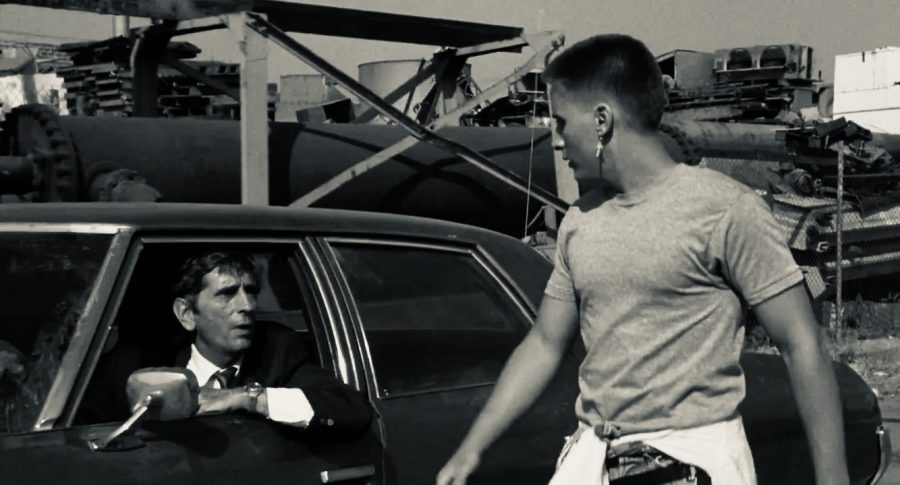
Caught the 7:15 showing of Repo Man at the Bijou tonight. Maybe a dozen people in the audience. Just enough trench coats and flannel to remind me I’m in Eugene, not some back-alley theater in Los Angeles where Otto and Bud would feel at home.

Before the movie, I swung by Earth River Records. Picked up a ticket for the Ramones show at the EMU on the 1st of December. The Rats from Portland are opening, along with a San Francisco band called Junk 57.

Diva is back at Cinema 7 this weekend. I want to see it again. Not purely for cinematic enrichment but to test whether my French has improved at all. Still dreaming of Paris almost daily. Someday I’ll get there, maybe wander the Left Bank in my German peacoat and pretend I’m a writer already.

Single Mary is playing at 8th and Oak on Friday night. I’m going to try to go, if I can switch shifts at work. Nosh bar regular, Laura Rathbun, is the lead singer. She and Todd Bryerton are the only members of the band I know.

Decent crowd at Lenny’s for a Wednesday night. I’m just here for some coffee and scribbling in my journal. After leaving the Bijou I hung out in front of Taylor’s to listen to the Chris Coltrane Blues Band for a bit. Went to Sy’s after for a slice and ate it while walking to the Courtyard.

Lamont is in the next booth, talking about a ’78 Alfa Romeo Spider Veloce he’s going to buy if he can scrape up the cash. Says it’s got 33,000 miles on the odometer and a Blaupunkt AM/FM cassette deck. He’s wearing a black-and-gray wool herringbone sportcoat he picked up earlier today at Rags to Riches. I think it’s the same coat that was left here a few days ago and went missing.

If he knows he’s wearing stolen clothing he’s got balls showing up at the scene of the crime.

~ Richard La Rosa

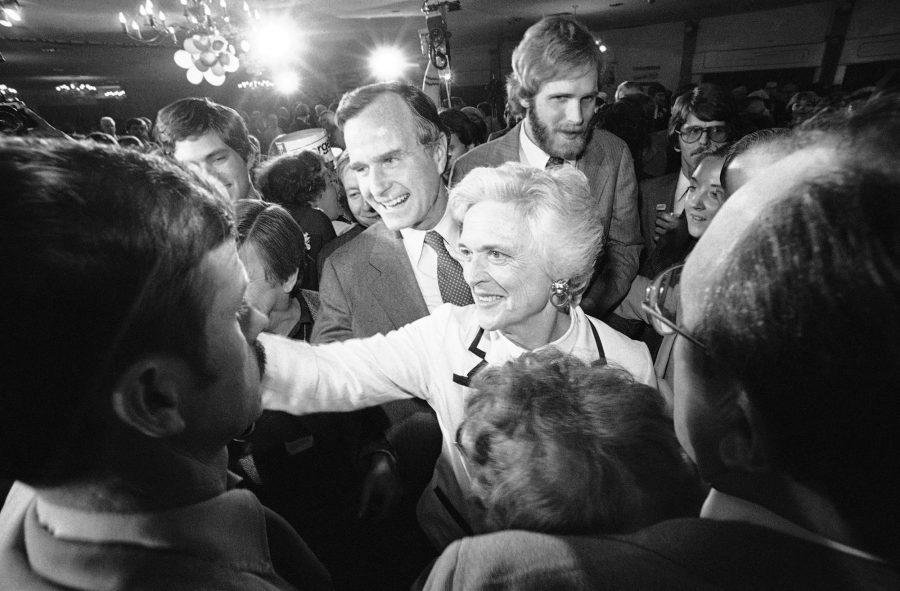
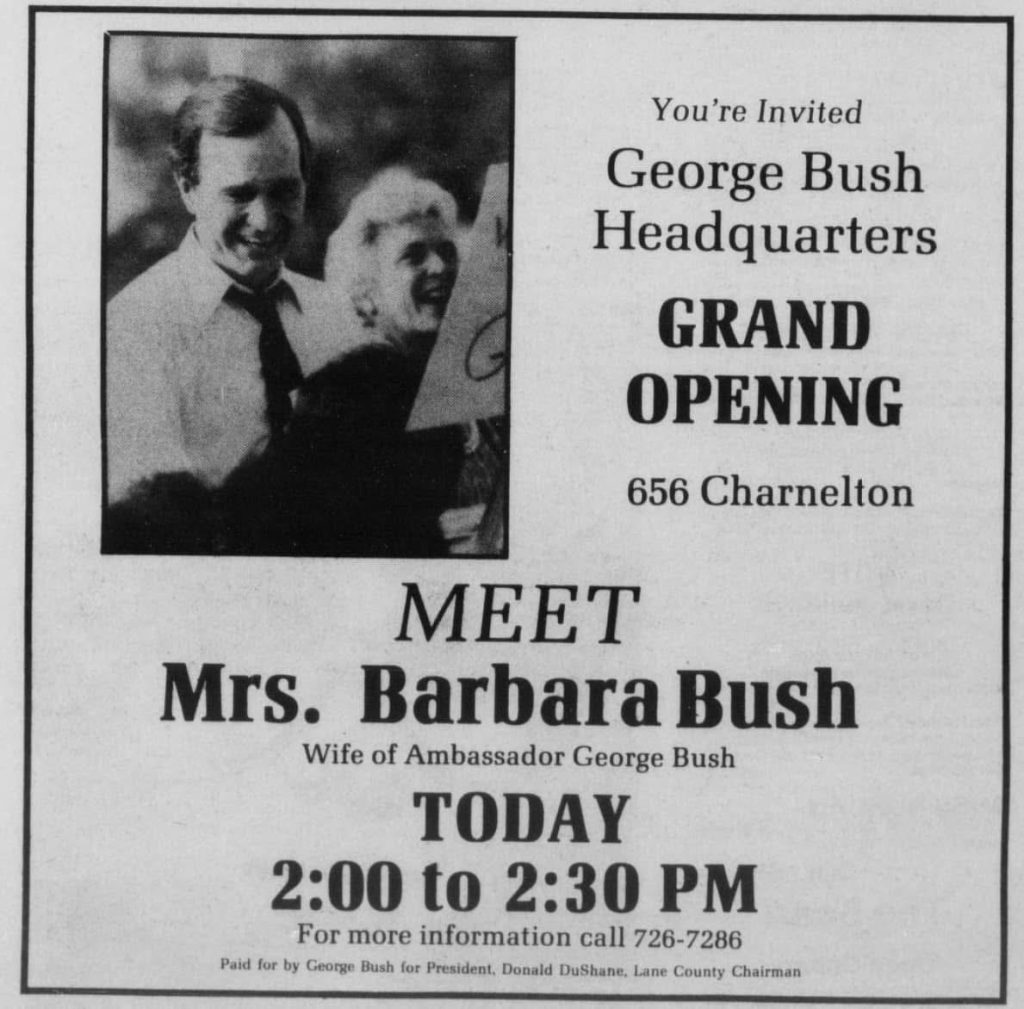
May 6, 1980 — George Bush’s wife, Barbara, is in Eugene today shilling for her husband during the Republican Party presidential primaries.

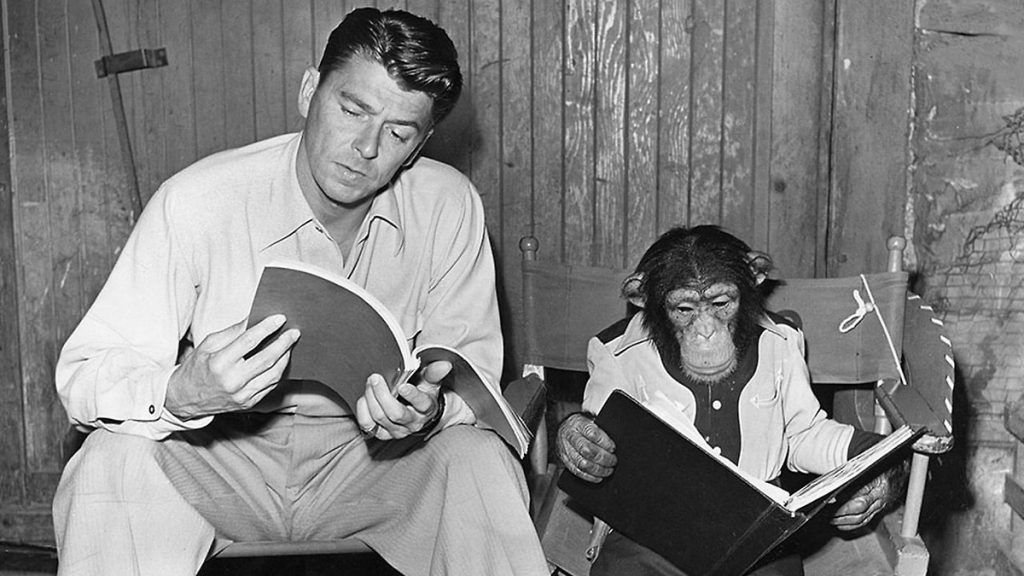
Lolita tells me she met the missus earlier in the day and sold her a bag of weed at the Springfield Rodeway Inn after the opening of the Eugene chapter of Bush for President Headquarters. She says they got high together, and Lita told Barbara that most Oregon Republicans were rooting for Reagan, not her husband, “the thinking man’s candidate.” His campaign was dead on arrival. Barb said no way her man would accept the vice-presidential nomination and be the chump playing the chimp. Then Lita brought up George’s CIA past, just as the Afghani kush kicked in, and both girls started giggling and quoting lines from Bedtime for Bonzo, and the rest of the conversation is classified.

Later, Barb tells the afternoon crowd that George Bush will emulate the pragmatic conservatism of President Eisenhower, and they all get misty-eyed about the good old days before civil rights and hippies ruined everything. Lamont is there with Lita, leaning against a lamppost and quietly heckling them between drags of a shared clove cigarette. They say the crowd seems more afraid of inflation than they are of the Soviets.

At the end of the day, Barbara Bush ditches her security detail to meet with Lita and Lamont at Lenny’s Nosh Bar for a pastrami on rye and a slice of cherry cheesecake. Lenny gives her a red quarter to slip into the jukebox and she selects two songs: Bei Mir Bist Du Schön by The Andrews Sisters and Creedence Clearwater Revival’s Fortunate Son. A perfect bipartisan choice.

May 7 — Poor Chip Carter is spotted stumping for Jimmy Carter outside the Lane County Democratic Headquarters. He seems confident his dad will be re-elected in November, but he knows Oregon liberals and moderates are drifting toward quirky third-party candidate John Anderson.

May 26 — George Bush drops out of the race and endorses Ronald Reagan, pragmatically accepting the Bonzo role.

~ Richard La Rosa

Post updated March 26, 1980