If you can tell a story in a minute you can write it down on a single page. I know this from my auditioning stage actor days.
Learning monologues cut to a performance length of one minute I had to have a beginning, a middle, and an end—with stakes and beat shifts packed in, along with a full range of emotions.
Crafting a single paragraph of microfiction is like that: writing an unforgettable experience or a scene that stands on its own.
So if you think one page isn’t enough, I reckon you haven’t yet written a drabble.
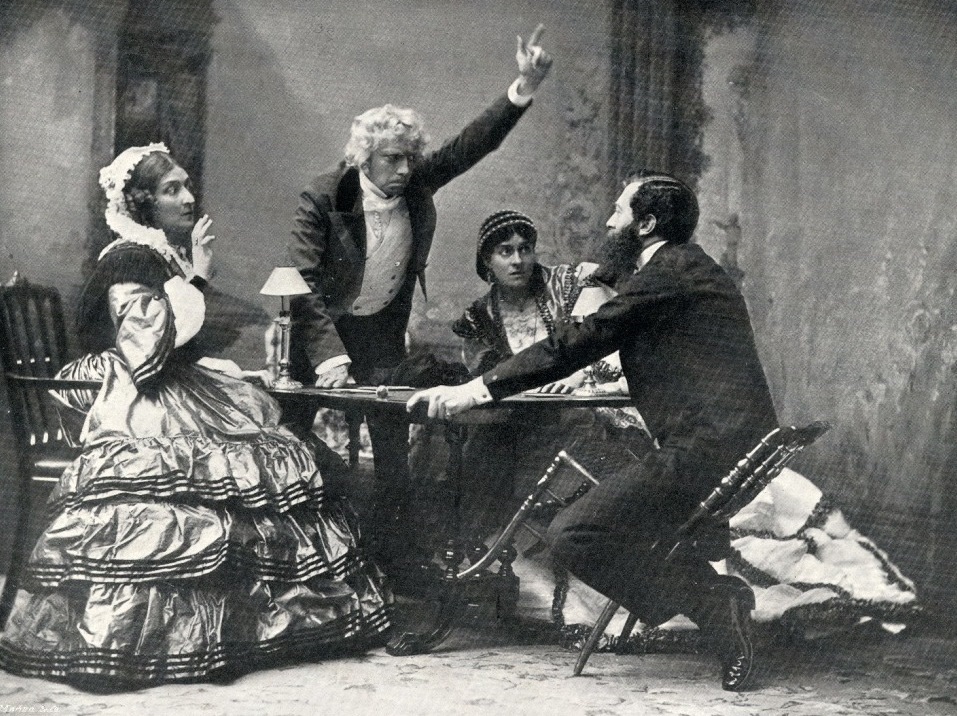
A drabble is a work of microfiction with a strict length of exactly 100 words.
For me, it’s the challenge.
Why limit my word count to such an insignificant number?
Writing this type of microfiction trains me to tell a tale in a confined structure where every sentence carries weight.
In this tiny space I can sketch a character, hint at a plot twist, or evoke a vivid moment.
If you’ve ever doubted that one page can hold a full story, microfiction proves otherwise. It teaches you to make every word matter.
Sometimes the smallest stories leave the biggest impressions.
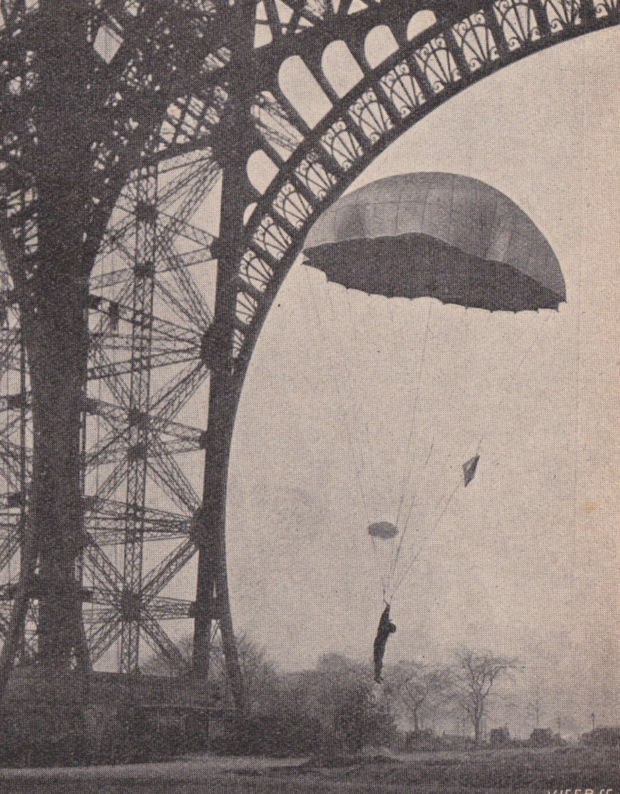
Below is a drabble I wrote, inspired by a poster on my wall — itself inspired by the plunge of a Parisian parachutist that the artist witnessed in real time.
Richard La Rosa — 12/6/2025
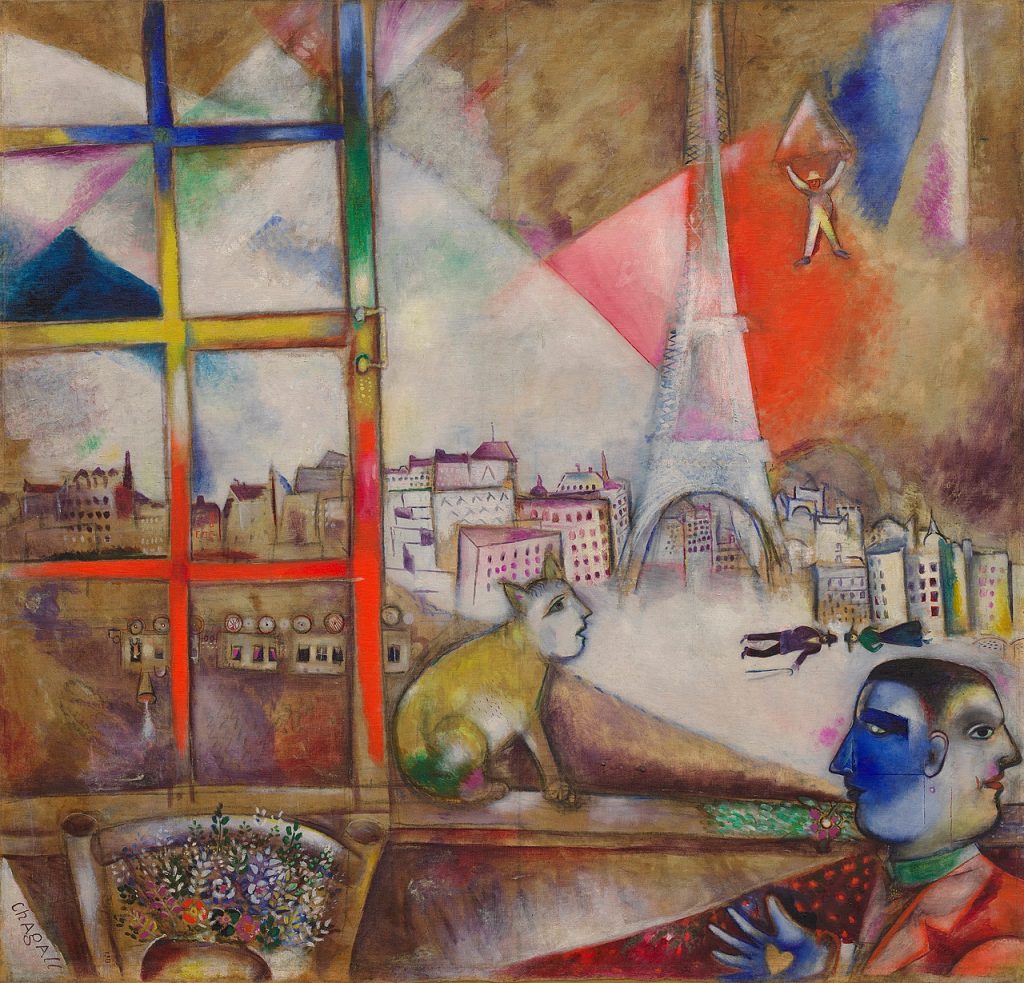
Escape Hatch by Richard La Rosa
The room is cluttered with hundreds of canvases but I head straight for a picture hanging over a bricked-up window.
It’s a portrait of Paris through the lens of Orphic cubism, painted with oils mixed for Monsieur Chagall by my Hungarian great-grandmother, a gypsy whose crushed pigments are infused with the means of traveling to imaginary realms.
I swapped it with a flawless forgery and it’s my escape from an early demise.
The slightest touch, paint dissolves…
And I step into the canvas through a window of imagery, entering an alternate reality a century past onto cobblestones slick with rain.